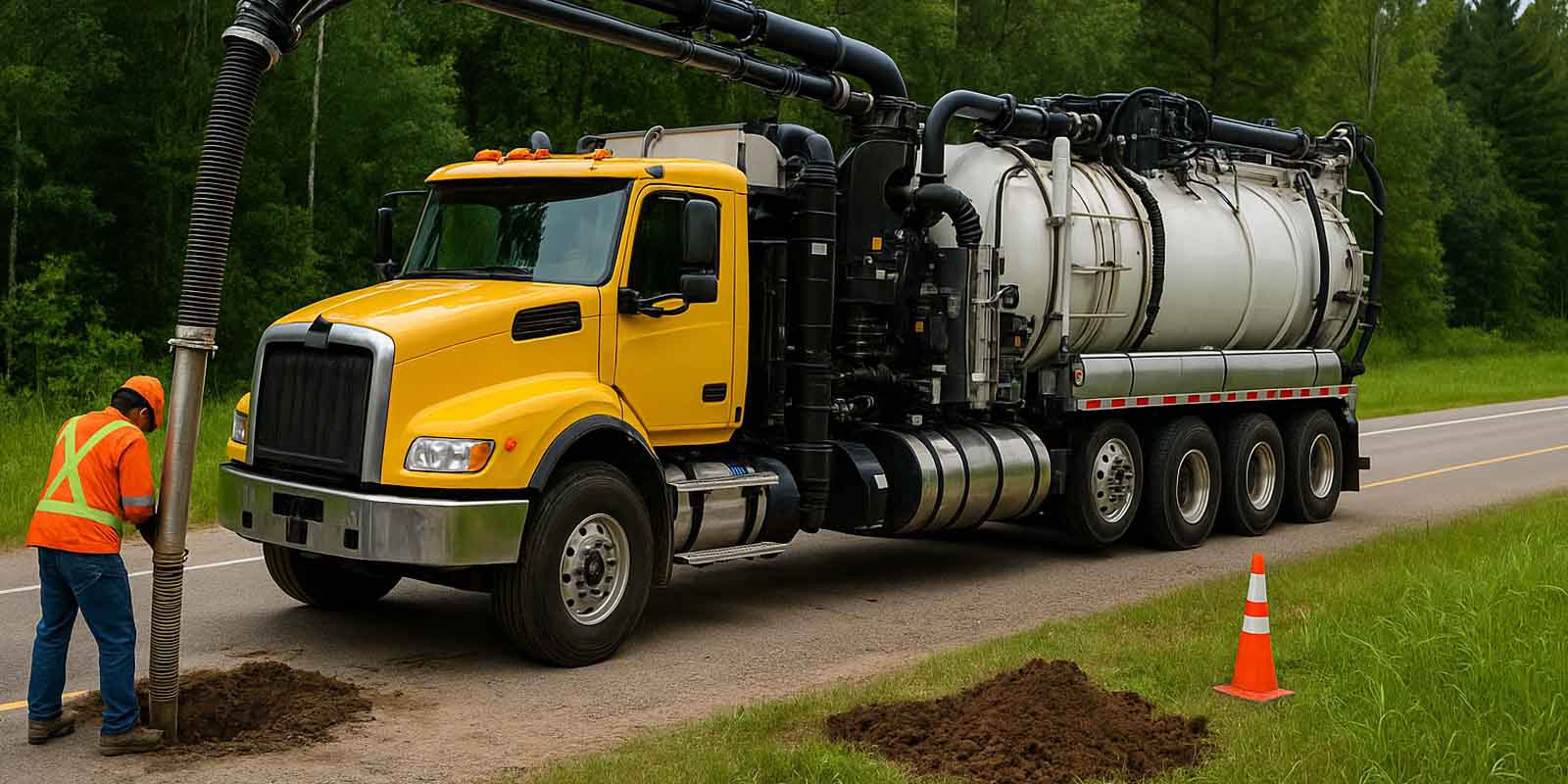
Safety is paramount in hydrovac excavation operations. While hydrovac technology is inherently safer than traditional excavation methods, proper protocols must be followed to protect operators, site personnel, and underground infrastructure. This comprehensive safety checklist is designed for hydrovac operators, contractors, and project managers working on Saskatchewan job sites.
Pre-Job Planning and Documentation
Before You Start
- Utility Locates: Obtain current utility locates from all service providers (SaskTel, SaskEnergy, City of Saskatoon, etc.). Locates should be no more than 30 days old
- Site-Specific JSA: Complete a Job Safety Analysis (JSA) or Job Hazard Analysis (JHA) specific to the excavation site
- Permits: Verify all required permits are in place (excavation permits, traffic control permits, environmental permits)
- Emergency Contacts: Program emergency contacts including 911, utility emergency lines, and site supervision
- Site Access Review: Verify truck access, overhead clearances, and ground conditions can support equipment weight
Equipment Inspection Checklist
Daily Pre-Operation Inspection
- Vacuum System: Check vacuum pump operation, hose connections, and debris tank seals
- Water System: Verify water tank levels, pump pressure, heating system (for frozen ground), and all hose connections
- Safety Equipment: Confirm fire extinguisher is charged, first aid kit is stocked, spill kit is complete
- Lighting and Signage: Test all warning lights, backup alarms, and verify safety signage is in place
- Documentation: Complete daily inspection log and report any deficiencies immediately
Personal Protective Equipment (PPE)
Required PPE for All Hydrovac Operations
- Hard Hat: CSA-approved, properly fitted, in good condition
- High-Visibility Vest: Class 2 or 3 reflective vest appropriate for site conditions
- Safety Boots: CSA-approved steel-toe boots with puncture-resistant soles
- Eye Protection: Safety glasses with side shields; face shield when operating high-pressure water lance
- Gloves: Cut-resistant, waterproof gloves suitable for equipment operation
- Hearing Protection: When operating in high-noise environments
On-Site Safety Protocols
Setting Up the Work Area
- Traffic Control: Establish proper traffic control following Saskatchewan traffic control guidelines
- Work Zone Barriers: Set up exclusion zone with barricades, cones, or caution tape minimum 3 meters from excavation
- Overhead Hazards: Identify and mark overhead power lines, tree branches, and other clearance issues
- Underground Utilities: Mark all known utility locations with paint or flags before excavation begins
- Communication Plan: Establish clear communication signals between operator and ground crew
During Excavation Operations
- Hand Digging First: When approaching marked utility locations, hand dig the first 12-18 inches to confirm exact position
- Pressure Control: Use appropriate water pressure—start low and increase gradually as needed
- Continuous Monitoring: Watch for signs of utilities (plastic pipes, wire insulation, concrete encasement) and stop immediately if detected
- Spotter Required: Maintain visual contact with spotter at all times; never operate without proper supervision
- Weather Awareness: Monitor Saskatchewan weather conditions; cease operations in severe weather, lightning, or extremely low visibility
Emergency Procedures
If You Strike a Utility
- 1. STOP WORK IMMEDIATELY - Cease all excavation activities
- 2. Evacuate the immediate area if gas leak or electrical hazard is suspected
- 3. Call 911 if there's immediate danger (gas smell, sparking, water eruption)
- 4. Contact the utility owner immediately using emergency numbers
- 5. Notify site supervisor and project manager
- 6. Secure the area and do not allow anyone to approach
- 7. Document the incident with photos, notes, and witness statements
- 8. Do NOT attempt repairs—wait for utility company personnel
Cold Weather Operations (Saskatchewan Specific)
Winter Safety Considerations
- Heated Water Systems: Ensure water heating system is functioning properly before starting work in freezing conditions
- Ice and Slip Hazards: Be aware that slurry can freeze on surfaces creating slip hazards; apply sand or ice melt as needed
- Cold Stress Monitoring: Watch for signs of cold stress in all personnel; provide warm-up breaks every 30-60 minutes in extreme cold
- Equipment Cold Weather Prep: Use winter-grade fluids and keep equipment running to prevent freezing
Training and Certification Requirements
Mandatory Training for Saskatchewan Hydrovac Operators
- Ground Disturbance Level 2 Certification
- H2S Alive (if working in energy sector)
- First Aid and CPR
- WHMIS 2015
- Fall Protection (if working at heights)
- Confined Space Entry (if applicable)
- Company-specific hydrovac equipment training
Post-Operation Procedures
Safe Job Completion
- Site Cleanup: Remove all equipment, barriers, and debris from work area
- Exposed Utilities: Ensure all exposed utilities are properly protected or backfilled according to project requirements
- Equipment Shutdown: Follow proper shutdown procedures for all systems
- Documentation: Complete all required paperwork including work completion forms, incident reports (if any), and daily logs
Conclusion: Safety is Non-Negotiable
Hydrovac excavation is one of the safest excavation methods available, but safety is never automatic—it requires vigilance, training, and strict adherence to established protocols. This checklist should be used in conjunction with your company's specific safety policies, Saskatchewan OHS regulations, and site-specific requirements.
Remember: No job is so urgent that safety can be compromised. When in doubt, stop work and consult with supervision. A safe crew is a productive crew.
Work with Safety-Certified Professionals
Our COR-certified operators follow strict safety protocols on every project. Contact us for safe, professional hydrovac services in Saskatoon and Saskatchewan.